All Categories
Featured

Evaluating Best Medicare Supplement Options
(MEC). (ICHRA): An ICHRA is likewise a stand-alone HRA, however it's readily available to companies of all sizes and has no contribution limits.
They need to have a qualifying form of private health coverage to get involved. Companies can set different allowances based on staff member classes for included modification. Group coverage HRA (GCHRA): Also called an integrated HRA, a GCHRA is for companies of any size who provide a group health insurance. Only staff members registered in their employer's group strategy can take part.
While they have no optimum contribution limitations, the IRS doesn't allow compensations for monthly premiums. No matter whether it's utilized in coordination with an HMO or PPO plan, there's an HRA that can help employees spend for their out-of-pocket medical expenses and, often, their health insurance coverage premiums. An HRA is a popular alternative option over conventional health benefits since they're affordable for companies and flexible enough for each staff member.
Comparing Affordable Life Coverage
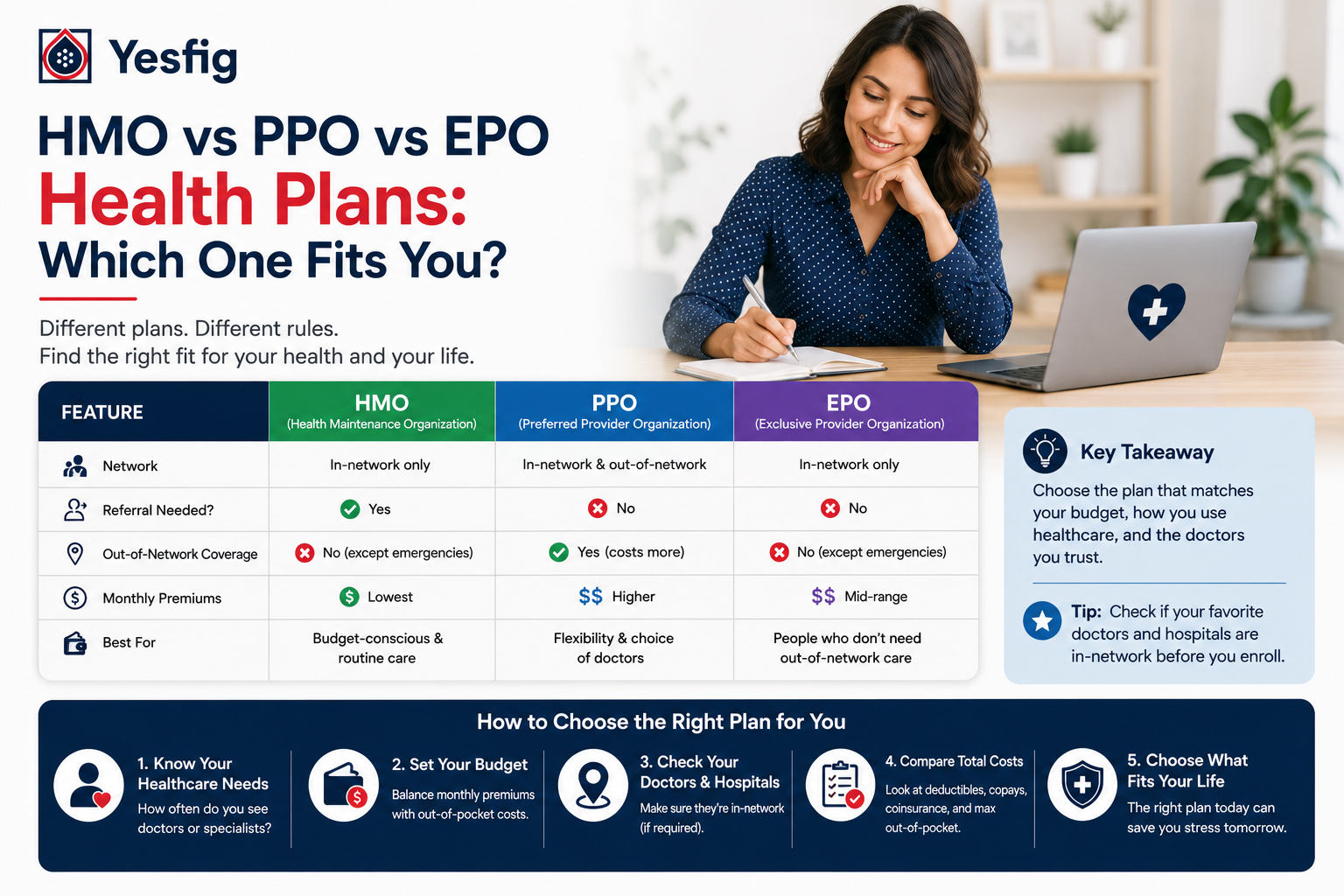
An HMO may be your finest bet if you're looking for a plan with a low premium. However, a PPO strategy supplies extra flexibility if you need more control over your healthcare. That's why researching these strategies thoroughly, including their pros, cons, and typical expenses, is the very best initial step you can take before deciding.

Latest Posts

Maximizing Indexed Universal Life Policy Benefits for Retirement
Affordable Family Medical Insurance for 2026
Current Whole Life Insurance Prices for American Families